


Knowing how to clean terracotta tiles properly is essential for preserving their rich, sun-baked character and ensuring they remain beautiful for generations to come. Made from natural, porous clay, terracotta tiles bring warmth and authentic Mediterranean charm to a home, but their distinctive texture also requires some maintenance. Whether you’re restoring original terracotta tiles that have lost some of their original charm, or researching upkeep before investing in terracotta flooring, this guide will walk you through everything you need to know.


What is Terracotta and What Should You Know Before Cleaning?
The word terracotta comes from the Italian phrase meaning “baked earth.” Authentic terracotta tiles are made from natural clay that is shaped, dried, and fired to create a durable material with earthy tones and timeless character. One of terracotta’s defining features is its naturally porous structure, made up of tiny microscopic openings that allow the material to breathe.
Because of this porosity, untreated terracotta can absorb liquids, oils, and moisture easily. Before cleaning your tiles, it’s important to determine whether they are sealed or unsealed, as this will affect the products and cleaning methods you should use.
The Water Droplet Sealant Test: Place a few drops of water onto a clean tile surface. If the water beads up and remains on the surface, the sealant is still working effectively. If the water quickly soaks in and darkens the clay within a minute, the tile may be unsealed or may require a fresh coat of sealant.
If you love the warmth and character of terracotta, terracotta-effect porcelain tiles offer another way to achieve the same timeless aesthetic. Collections such as Salamanca Range and Campello Range capture the rich tones, patina, and rustic charm of traditional clay, while adding the everyday practicality and durability of porcelain.


The Essentials: What Tools to Use and What to Avoid
Before starting the cleaning process, ensure you have the right tools to hand. Choosing suitable cleaning and maintenance material is important, as harsh acidic or alkaline cleaners can damage protective sealants or affect the natural character of the clay.
What to Use:
-
A vacuum with a soft brush attachment or a soft-bristled broom.
-
Flat microfiber mops (which lift dirt rather than pushing it into the grout).
-
pH-neutral cleaners formulated for natural stone.
-
A stiff-bristled scrubbing brush for deep cleans.
What to Avoid:
-
Acidic Cleaners: Lemon juice, white vinegar, and commercial limescale removers will etch natural clay and eat through your sealant.
-
Harsh Chemicals: Bleach and abrasive scouring powders can leave permanent, patchy white marks.
-
Saturated Mopping: Flooding the floor with excess water will cause dirty moisture to pool within the clay and grout joints.

Daily and Weekly Care Routines
The tried and tested way to keep terracotta looking its best is preventing everyday dust and dirt from becoming ingrained over time. With little but often maintenance, your tiles will keep their character for years to come.
Indoor Routine
Sweep or vacuum using a soft brush attachment daily. Hard plastic vacuum heads can scratch the surface of natural tiles. Ensure you only sweep when dirt or mud is completely dry to prevent pushing particles into the clay's pores.
Lightly damp mop the area using a pH-neutral cleaner diluted in warm water once a week. Wring your mop out thoroughly so it is only damp, not dripping wet.
Outdoor Routine
Regularly sweep away fallen leaves, twigs, and berries promptly. If left to sit in the damp, organic debris will release tannins that leave stubborn brown stains on outdoor tiles.
For a seasonal refresh, wash the patio down with a hose and a stiff broom.


How to Deep Clean Terracotta Tiles: Step-by-Step
If your terracotta is looking tired, or if you have inherited a neglected floor that has gathered years of built-up dirt, a standard mop won't do the job - you will need a specialised heavy duty stone cleaning product.
1. Prep and Dry-Sweep: Clear the space of all furniture. Thoroughly sweep or vacuum the floor to remove any loose grit that could scratch the tiles during scrubbing.
2. Dilute and Apply the Cleaner: Mix your heavy-duty stone cleaner with warm water according to its packaging instructions. Working in manageable zones, apply the solution generously across the floor.
3. Dwell and Agitate: Let the solution sit on the tiles for 5 to 10 minutes to break down grease and grime. Do not allow it to dry completely. Scrub the tiles and grout lines vigorously using a stiff-bristled brush.
4. Rinse and Towel Dry: Mop up the dirty water solution. Immediately rinse the entire area thoroughly with clean, clear water. Wipe the tiles down with a clean microfiber cloth or towel to lift any remaining residue and help them dry evenly.
How to Remove Stubborn Stains
Spills happen, but because terracotta is incredibly forgiving when treated correctly, most marks can be removed or improved if dealt with appropriately and in a timely manner.
Oil and Grease Stains
For kitchen oil spills or cooking splatters, apply a concentrated heavy duty stone cleaner directly to the stained tile. Allow it to sit for 10 minutes, scrub with a small brush, and rinse with clean water. For incredibly deep oil stains, a specialised oil-removing paste may be required to draw the grease out of the pores.
Outdoor Algae, Moss, and Leaf Tannins
Outdoor patios face organic weathering. To remove dark deposits and green algae from outdoor tiles, use a dedicated outdoor stone cleaner. Apply it on a completely dry day, leave it to work according to the product guidelines, then scrub and rinse away with fresh water.


Common Mistakes to Avoid
Using a Pressure Washer Too Closely: While you can use a jet washer on outdoor terracotta, keep the nozzle at least half a meter away from the surface. High-pressure streams held too close can easily gouge the soft clay or destroy the grout.
Steam Mopping Natural Clay: Avoid using steam mops on natural, sealed terracotta. The intense, localised heat and moisture can force the sealant to peel, crack, or turn cloudy.
Ignoring Spills: The golden rule of terracotta maintenance is to spot-clean immediately. Wipe up acidic substances like red wine, coffee, or citrus juices the second they hit the floor to ensure they don't bypass the sealant.
Long-Term Maintenance: Keeping the Patina, Losing the Grime
Natural terracotta develops a beautiful patina over time, gaining character as it ages. To ensure it looks beautifully cared for rather than neglected, it requires long-term protection.
Re-Sealing Your Tiles
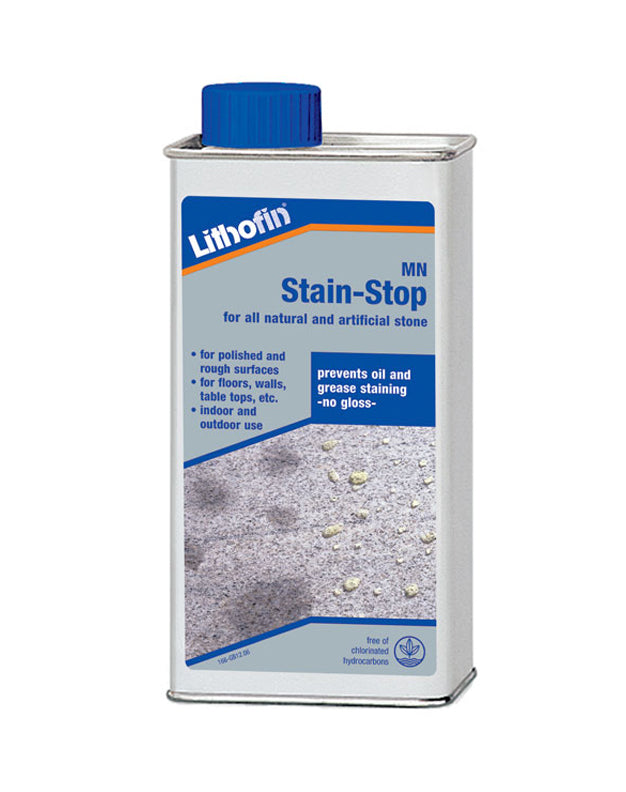
The protective seal on indoor terracotta naturally wears down over time due to foot traffic and cleaning. Plan to re-seal your indoor floors every 3 to 5 years using an impregnating sealer, such as Lithofin Stain stop MN (pictured) or Lithofin TC Impregnator. This keeps a completely natural, matte finish without darkening the clay, creating an invisible barrier against grease and water. Always ensure the tiles are perfectly clean and have dried completely for at least 24 to 48 hours before applying a fresh coat of sealant.



A Few Terracotta Effect Alternatives
While authentic terracotta brings an undeniable, old-world romance to a home, its living, breathable nature means it embraces a journey of its own, gathering a natural patina and requiring a little extra care over the years.
For busy modern households where life moves quickly, choosing a material that demands regular sealing and careful spot-cleaning may not suit an already packed schedule. Fortunately, wanting a floor that is easy to live with doesn’t mean sacrificing that beautiful, sun-soaked aesthetic. Modern porcelain alternatives now make it simple to enjoy the same Mediterranean warmth and rustic character, but with a practical, low-maintenance finish that lets you spend less time worrying about spills and more time simply enjoying your home.
Salamanca Collection
Available in authentic shades such as Salamanca Cotto Square Terracotta Effect Tiles (left) and Salamanca Sand Square Terracotta Effect Tiles, this range delivers a true Mediterranean aesthetic. The small square format features a beautifully realistic texture and soft pink-orange-brown tones, complete with subtle tile-to-tile variation that mimics genuine handmade clay.
The range is designed to pair seamlessly with our Salamanca Cotto Decor Square Terracotta Effect Tiles (right), featuring an elegant four petal motif. The Classic range includes two colour options, and the Decor range also offers two coherent shades, creating a cohesive and versatile design scheme across both styles.


Clay Range
Perfect for creating a timeless brick or herringbone pattern, the Clay collection comes in rich, earthy hues. Formats like Clay Cotto Metro Terracotta Effect Tiles (left) offer a deep, traditional brown-red shade, while Clay Ivory Metro Terracotta Effect Tiles (right) introduces neutral, white clay tones. The rectangular metro design makes it an excellent choice for adding rustic warmth to compact spaces like utilities, hallways, and kitchen splashbacks.


Oliva Range
Inspired by the warm, earthy tones of Mediterranean landscapes, the Oliva range brings a natural, timeless character to interior spaces through its richly varied terracotta-effect porcelain finishes. Available in Cotto-inspired shades such as Marron, Crema, and Rojo, each tile features subtle tonal variation that replicates the depth and irregularity of traditional handmade clay.
The collection comes in a versatile selection of formats, including square, metro, and hexagonal designs, allowing for creative layouts while maintaining a cohesive aesthetic. With its matt finish, gentle edge variation, and durable porcelain composition, Oliva is ideal for achieving an authentic rustic look with modern practicality; perfect for kitchens, bathrooms, hallways, and open plan living spaces.


Campello Range
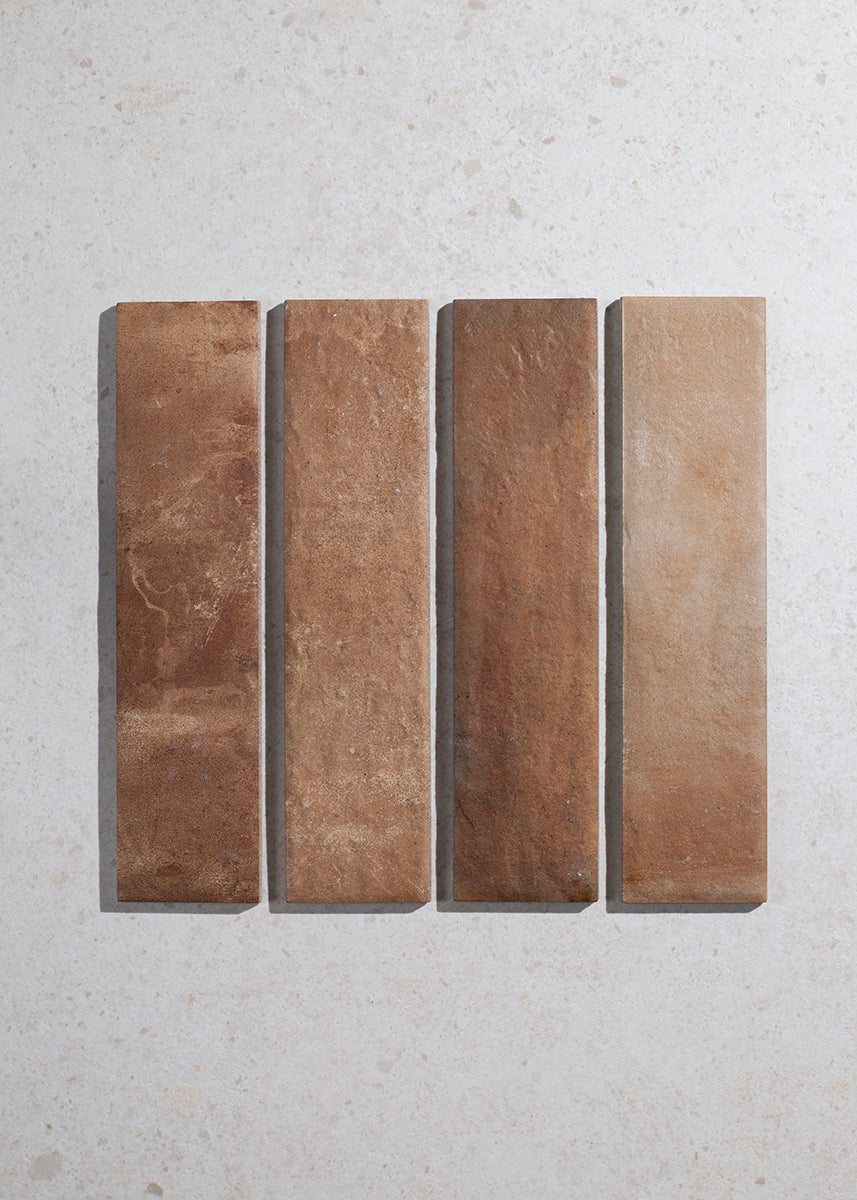
Inspired by the timeless beauty of traditional terracotta, the Campello collection combines rich earthy tones with the practicality of durable porcelain. Available in shades including warm Cotto (left), soft pink-toned Rosato (right), and lighter Bianco, each tile features natural tonal variation that creates an authentic aged appearance with depth and character. Available in either square, hexagon or metro formats, the Campello range brings Mediterranean-inspired warmth and heritage into a space while offering the beauty of traditional terracotta without the porous qualities and maintenance requirements of natural clay.


Frequently Asked Questions
How do you make terracotta tiles look new?
To restore old terracotta, you must strip away any failing, degraded wax or old sealers using an intensive stone cleaner. Once deep-cleaned, neutralised with water, and fully dried, applying a fresh impregnating sealer will instantly revive the depth of the clay's natural tones.
What is the best thing to clean terracotta tiles?
For everyday cleaning, a pH-neutral, stone-specific formula is best. For heavy restoration and grease removal, use an intensive stone cleaner.
How to put a shine on terracotta tiles?
If you prefer a soft satin sheen rather than a raw matte look, you can apply a topical wax or a gloss sealer designed specifically for terracotta after it has been primary-sealed. Avoid generic supermarket floor waxes, which can trap moisture and cause the clay to flake.
Are terracotta tiles hard to keep clean?
Not at all, provided they are correctly sealed. A well-sealed terracotta floor requires nothing more than a quick sweep and a damp mop. If you want a Mediterranean aesthetic with absolute zero maintenance, opting for a terracotta-effect porcelain tile eliminates sealing entirely.


Looking to Transform Your Space?
Whether you are restoring a well-loved historic floor or designing a brand new space filled with warm, characterful hues, we are here to help. Explore our collection consisting of authentic and porcelain terracotta tiles, or read our guide on What Colours Go with Terracotta Tiles for effortless interior styling.
We hope you have found this comprehensive guide on How to Clean Terracotta Tiles helpful for your own space. If you would like more inspiration, why not read our blog White Bathroom Tiles Ideas? We invite you to visit one of our UK tile showrooms to view large floor and wall displays, along with individual tiles and free samples of our collection. Alternatively, please feel free to contact our knowledgeable team for any questions or advice!


